


Stretching in football: which stretches and why?
Static or dynamic stretching, before or after the match? Find out which stretches to do in football, why, and their real benefits for performance.
PRÉPARATION PHYSIQUE
4/15/202611 min read
Introduction to stretching in football
In football, the importance of stretching can't be overstated. Whether you're an amateur or a professional, including stretching in your training routine is essential to optimise performance on the pitch. Stretching not only helps prepare the muscles before exercise but also plays a crucial role in recovery after a match or intense training session.
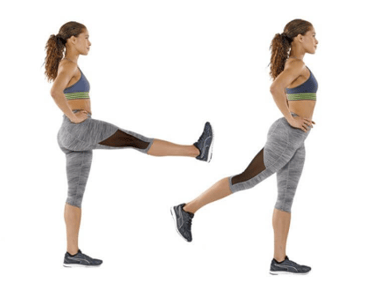
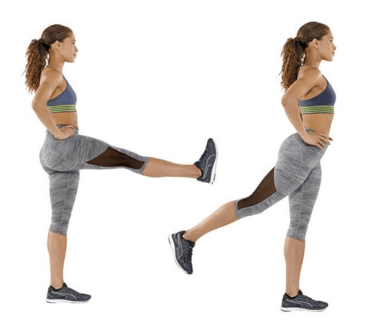
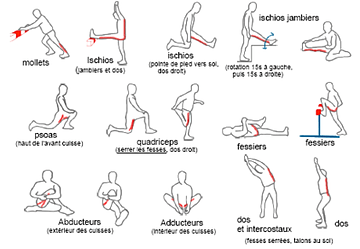
There are 3 main types of stretching used in football: dynamic stretching, active-dynamic stretching and static passive stretching. Dynamic stretches, done before activity starts, raise body temperature and blood flow, preparing the muscles for effort. For example, movements such as leg swings or arm circles are perfect for warming up the body. Static stretches, on the other hand, which involve holding a stretched position for a set time, are often done after the match to improve flexibility and reduce the risk of muscle injury.
Stretching regularly brings many benefits, and scientific studies say a bit of everything and its opposite, but we'll clear up the different points here! Stretching helps reduce muscle tension, optimises flexibility and improves range of motion. But that's not all!!! It can also help you perform technical skills such as passing or shooting more effectively. In addition, well-performed stretching can lead to better performance in competition. This last point shows the importance of proper preparation that systematically includes stretching exercises.

Conclusion: making stretching part of the football routine
There's no doubt that including stretching in footballers' training routines is crucial for their performance and health. Static or dynamic, stretching helps improve flexibility, prevent injuries and support recovery after exercise. By planning these sessions wisely, players can optimise their potential on the pitch.
For stretching to be really effective, it's recommended to include it in the daily training programme. An ideal routine could start with a dynamic warm-up that prepares the muscles for effort. After training sessions or matches, suitable static stretches can be done to release muscle tension. This not only improves blood flow but also speeds up recovery.
Coaches should also make players aware of the importance of stretching. It could be useful to organise sessions where footballers learn the right stretching techniques, tailored to their individual needs. By knowing more about the subject, players will become more proactive in managing their physical condition.
In short, stretching plays a fundamental role in maintaining footballers' performance. A well-structured stretching routine can bring significant benefits to the length of athletes' careers, while supporting their technical and physical development. By adopting these practices, footballers can look after their wellbeing, both to prevent injuries and to improve their game.


So there's no problem with stretching (30 seconds max) in football, especially since,
as the study by Kokkonen, Nelson, Eldredge and Winchester suggests, chronic static stretching exercises on their own can improve performance in specific exercises. It is possible that people who cannot take part in traditional strength training could make gains through stretching, which would then allow them to move on to a more traditional exercise programme.
Or the study by Herman and Smith,
in which including stretching in a long-term programme produced positive effects on performance. The results suggest that 4 weeks of specific stretching in wrestlers' daily pre-season training led to long-term or sustained improvements in power, strength, muscular endurance, anaerobic capacity and agility.
In conclusion, including stretching in a programme to gain performance benefits is justified and recommended, provided you do the most relevant stretches.
The benefits of stretching for performance
Stretching plays a crucial role in optimising footballers' performance. It increases flexibility, allowing a greater range of motion in actions such as shooting and dribbling. Studies have shown that athletes who stretch regularly show a notable improvement in agility. For example, research conducted by the University of California showed that football players who did dynamic stretching before training improved their reaction speed by 15% compared with those who didn't.
Stretching also contributes to greater speed, a decisive factor in modern football. When a player is more flexible, he can generate more power in explosive movements such as sprints. A study published in the Journal of Sports Science showed that an appropriate stretching routine before matches improves sprint performance, which translates into better performance on the pitch.
Stamina and endurance are also influenced by including stretching in training. By preparing the muscles for physical effort, footballers reduce the risk of injury, which allows them to keep a high level of commitment throughout a match. Coaches often point out that players with a well-established stretching routine suffer fewer muscle injuries, allowing them to stay fit and perform well. So including regular stretching in pre-match and training preparation is essential to optimise footballers' physical capacity.
So what about injury prevention?
Contradictory results have created a climate of suspicion about stretching as a way to prevent injuries.
So we need to look at the link between regular stretching and muscle-tendon injuries. There is no scientifically based prescription for flexibility training, and no conclusive statement can be made about the relationship between flexibility and sports injuries. The literature reports opposite results from different samples, often doesn't distinguish between strains, sprains and overuse injuries, and rarely uses the right measure of exposure. But stretching may help limit muscle-tendon injuries.
Symptoms of muscle damage were documented through changes in isometric hamstring strength, pain, muscle tenderness and creatine kinase activity over the following 3 days. Loss of strength, pain, muscle tenderness and creatine kinase activity were significantly greater in stiff subjects than in flexible subjects in the days after eccentric exercise.
So stretching helps avoid excessive muscle stiffness, which improves recovery and limits the risk of tears at the muscle-tendon junction.
Common mistakes to avoid when stretching
When it comes to stretching before or after a football session, many mistakes can undermine both the effectiveness of the stretches and players' safety. One of the most common is stretching too quickly. Players may be tempted to rush their stretching routine, which reduces its effectiveness. Taking the time to stretch properly prepares the muscles better and avoids potential injuries.
Another common mistake is not stretching for long enough. Many players only hold stretches for a few seconds, but it's generally recommended to hold each position for at least 15 to 30 seconds. This ensures the muscles relax fully and gain the preventive benefits of stretching. It's also essential to listen to your body: stretching a muscle to the point of pain is counterproductive and can lead to injury.
The choice of stretch is also crucial. Players tend to focus on a single muscle group or on the muscles they use most. It's vital to take a global approach, including stretches that target the whole body, including often-neglected muscles such as the hips or shoulders. That way, players can not only improve their overall flexibility but also balance their muscle tone. By making these adjustments, athletes can maximise the benefits of stretching and reduce the risk of injury when playing football.


Dynamic stretching: an essential warm-up
Dynamic stretching plays a fundamental role in preparing football players before a match or training session. These stretches consist of a series of active movements designed to raise body temperature and improve blood flow. Unlike static stretches, which can make muscles less reactive, dynamic stretches increase muscle flexibility while maintaining some tension.
To do dynamic stretches, include movements such as leg swings, trunk rotations and high knees. These exercises target several muscle groups at the same time and are designed to reproduce the specific movements made during a match. For example, leg swings help prepare the hamstrings and quadriceps, while trunk rotations increase spinal mobility, which is crucial for the twisting movements common in football.
By including these stretches in their warm-up routine, players can also reduce the risk of injury. A gradual increase in flexibility and muscle temperature makes the quick, explosive movements that are so common on the pitch easier. Dynamic stretches prepare not only the muscles but also the joints, allowing a better range of motion and greater stability during sporting actions. To conclude, dynamic stretching is an essential practice for any football player who wants to optimise his performance and prepare his body before physical effort.
Active-dynamic stretching: a step further
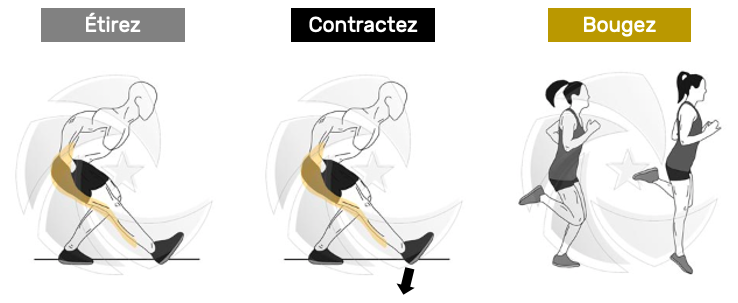
Active-dynamic stretching is a particularly effective way to prepare footballers before a training session or match. Unlike passive stretching, which involves holding a fixed position and stretching the muscles while relaxing them, active-dynamic stretching is a mix of dynamic and static, based on controlled movements that maximise muscle engagement: hold a static position for 10 seconds, followed by an isometric contraction for 10 seconds, followed by mobilising the targeted muscle for 10 seconds. This type of stretching uses the body's natural movements to increase flexibility while improving coordination, which is crucial in a sport as demanding as football.
By including active-dynamic stretching in their preparation routine, players can gain several benefits. First, these stretches warm up the muscles gradually, increasing blood flow and body temperature. As a result, the muscles become more flexible and responsive to the quick, sudden movements that characterise the game. Active stretching also stimulates the neuromuscular system, promoting better communication between the brain and the muscles during physical effort.
Most importantly, they improve the gliding of the different connective tissues, improve the perception of posture, muscle synergies and antagonisms, and prepare the muscles to work through their full range of motion. By stimulating the neuromuscular and tendon spindles, they also raise body awareness, improving footwork and stability and therefore technique.
Active-dynamic stretching also improves coordination. By engaging muscle groups at the same time, these stretches train the body to work harmoniously during complex movements. This can translate into better performance on the pitch, where fine coordination is essential for accurate passes, effective dribbles or interceptions. Footballers should therefore consider including active-dynamic stretching in their warm-up routine to get the most out of it before they perform.
Static stretching: the cool-down
Static stretching plays an essential role in footballers' recovery routine after intense training or a match. Unlike dynamic stretches, which are often used in the warm-up, static stretches focus on lengthening the muscles and improving flexibility. They are done by holding a specific position for a set time, usually between 15 and 30 seconds. This type of stretching is particularly useful to help athletes calm down after physical activity.
Taking time to do static stretches after a match or training session not only reduces muscle tension but also speeds up recovery. During this moment of relaxation, the muscles release, allowing better blood flow and a greater supply of the nutrients needed for muscle repair. Doing this regularly helps reduce the risk of future injuries, including muscle tears and joint pain.
In the long term, static stretching can also improve players' overall flexibility. Better flexibility means a greater range of motion, which is crucial to avoid injuries when moving on the pitch. Although the ideal is to stretch every day, even after light sessions, including it after more intense efforts is essential to maintain athletes' physical health. As a result, football, like many other sports, can benefit greatly from an integrated approach that strengthens recovery practices through static stretching.
So why all the controversy?
The biggest controversy about static stretching is that it is said to harm sporting performance by reducing maximum voluntary strength, power and speed. The study usually cited is by Fowles et al. But if you look closely at the protocol, the stretches were done on the plantar flexors, for 135 seconds per stretch, repeated 13 times: more than 30 minutes of stretching in total on a single muscle group.
As the authors admitted, "further trials, with a stretching protocol more similar to that regularly used in athletics, need to be evaluated under the controlled conditions of this study". There are other similar studies highlighting the harmful effects of stretching on performance, but if you analyse the protocols, you find that the stretching was often far longer than what's done in practice, and done without any form of warm-up.
It has now been shown that there is a dose-response relationship between the length of a stretching sequence and the loss of strength: the longer the stretch, the more strength decreases. This means there's a duration threshold below which a stretch doesn't affect muscle performance. For a total of less than 2 minutes on the same muscle group, with no other activity, the effects can be considered negligible.


🎧 Watch in English: on YouTube, click ⚙️ Settings › Audio track › English. You can also turn on English subtitles in ⚙️ Settings › Subtitles.