

Beer after sport: what effects on recovery?
Does drinking a beer after a match or training slow down recovery? Hydration, muscles and sleep: what you need to know before you raise a glass.
NUTRITION
6/17/20254 min read
Introduction: a passion for sport and beer
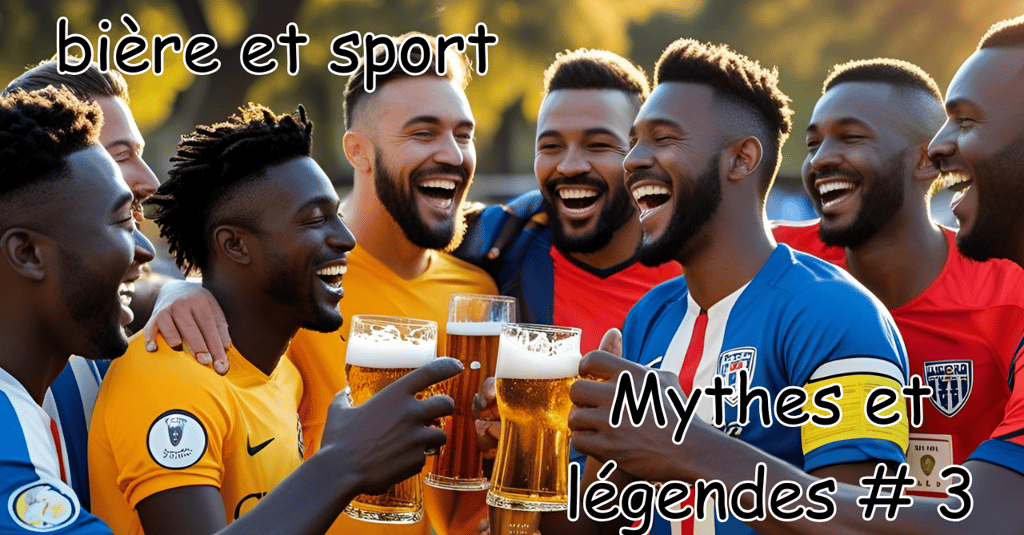
For centuries, sport and beer drinking have been closely linked in many cultures. This association is particularly visible at sporting celebrations, where sharing a beer with friends or teammates becomes a moment of camaraderie and celebration. For many people, after intense exercise, beer is not only a way to relax but also a habit rooted in tradition.
Athletes, whether amateur or professional, often choose to enjoy a beer after exercise, a practice that is particularly common in some team sports. This choice is sometimes justified by the belief that beer, thanks to its composition, can contribute to some form of post-exercise recovery. History has produced many anecdotes illustrating this link, with athletes praising the virtues of the drink after a competition or training session. Despite advances in scientific knowledge about sports nutrition, beer remains a popular drink and an integral part of sporting culture.
Beyond this tradition, there is a growing need to understand the real effects of beer on the body after exercise. While some argue that it can help you feel recovered, others point to its dehydrating effects, which are potentially harmful to muscle recovery. This ambivalence highlights the importance of a thorough analysis of the impact of beer on the body, particularly in the context of physical activity. A scientific look at this phenomenon can therefore reveal crucial information for athletes who want to optimise their recovery while honouring their traditions.
🎧 Watch in English: on YouTube, click ⚙️ Settings › Audio track › English. You can also turn on English subtitles in ⚙️ Settings › Subtitles.
Physiological considerations: hydration and nutrients
Beer might seem to offer some benefit to the body because of part of its composition, and it's true that some of its components have potential benefits.
Because it contains:
- Maltose, which replenishes glycogen stores after exercise
- Vitamins, mainly from the B group (B3, B5, B6 and B12), in small amounts
- Minerals such as magnesium and potassium, in small amounts
- Antioxidants found in malt and hops
So you might think it's good, or even necessary, to drink beer after sport, since it contains more than water, and being a liquid it could easily help rehydrate the body. But things aren't that simple.
Beer isn't only made up of beneficial components; above all it contains negative ones.
Drinking beer after exercise raises questions about hydration and the nutrients it can provide. Hydration is a key factor in recovering effectively after sport, and beer, although it contains a certain amount of water, is often described as a dehydrating drink because of its alcohol content. Alcohol inhibits the production of antidiuretic hormone, which can increase fluid loss. As a result, drinking beer after exercise could potentially harm hydration, defeating the main goal of optimal recovery.
This dehydrating effect then cancels out its positive effects. Without good hydration, there is no good recovery, because glycogen isn't restocked optimally: each gram of glycogen stored takes 3 g of water with it, and a dehydrated body will struggle to supply the water needed. Without glycogen, muscle fibres aren't rebuilt, so recovery takes longer. If you really want to replenish your glycogen stores, you can easily choose carbohydrates such as rice, pasta, energy bars and sports drinks rather than beer.
As for electrolytes, it's essential to understand whether or not a beer can help make up for the losses suffered during training. Electrolytes such as sodium and potassium are crucial for muscles to work properly and for maintaining fluid balance. Breweries have started developing beers containing electrolytes, but they are still relatively rare. In most cases, regular beer doesn't provide the necessary amounts of these essential minerals, which raises concerns about its role in muscle recovery.
Nutritionally, beer also contains calories and carbohydrates that can provide energy. However, drinking too much could lead to an excessive calorie intake, which doesn't help with weight management.
Beer, and alcohol in general, has many other negative effects, such as preventing optimal protein resynthesis and the use of minerals like magnesium and potassium, even though it contains some.
Scientific research: studies on beer and recovery
Drinking beer after exercise has attracted the interest of the scientific community because of its potential implications for physical recovery. Several studies have assessed the effects of beer on post-exercise recovery, highlighting both its advantages and its drawbacks.
A notable study by the Technical University of Munich showed that alcohol-free wheat beer contains polyphenols, antioxidant and anti-inflammatory molecules that support recovery and reduce inflammation, so it has a positive effect on the immune system. The hops in beer also have a calming effect and help you relax.
Other studies have shown that alcohol-free lager is isotonic, so the body absorbs it quickly, along with its water, vitamins and minerals.
Health and nutrition professionals often suggest that, although a beer can be enjoyable after training, it should not become a main recovery strategy. Those who choose to drink beer are advised to do so carefully, taking into account the overall balance of their diet and their body's specific needs. It's therefore crucial for athletes and sports fans to get past the myths and make informed choices about beer after exercise.
Responsible recovery: balance and moderation
A beer after training may seem pleasant to many athletes, but it calls for a responsible approach. The importance of moderation can't be overstated, because drinking too much can undermine the benefits of training and harm muscle recovery. To strike a good balance between pleasure and health, it's crucial to recognise not only the possible benefits of beer but also its drawbacks.
It's essential to understand that, although beer can offer some relaxation after exercise, it also contains alcohol, which can dehydrate you and slow down recovery. So the decision to drink beer should be thought through, taking your body's needs into account. Athletes should consider alternatives that maintain hydration, such as electrolyte drinks or nutrient-rich smoothies, which support better muscle recovery.
It's also recommended to keep portions small if you choose to drink beer. That way you can enjoy the social moments without compromising the results of your training. At the same time, it's worth exploring other recovery methods that can be beneficial, such as stretching, active rest or suitable food supplements.
In conclusion, although beer can have its place in post-exercise recovery, it's essential to take a balanced, moderate approach. By making informed decisions and exploring alternatives, everyone can optimise their recovery while enjoying the social and recreational side of responsible drinking.
